
Still life photography is one of the best ways to sharpen your creative eye. It gives you complete control over every element in the frame—from the lighting and composition to the smallest details. Whether you’re photographing flowers, food, antiques, or everyday objects, a thoughtful setup can transform ordinary items into compelling works of art.
Here are a few simple steps to help you create your first still life scene.
Start with a Theme
Before placing a single object, decide what story you want your photograph to tell. A clear theme will guide every creative decision you make, including your props, lighting, and colors.
Some ideas include:
- A cozy morning breakfast
- Vintage florals
- Autumn harvest
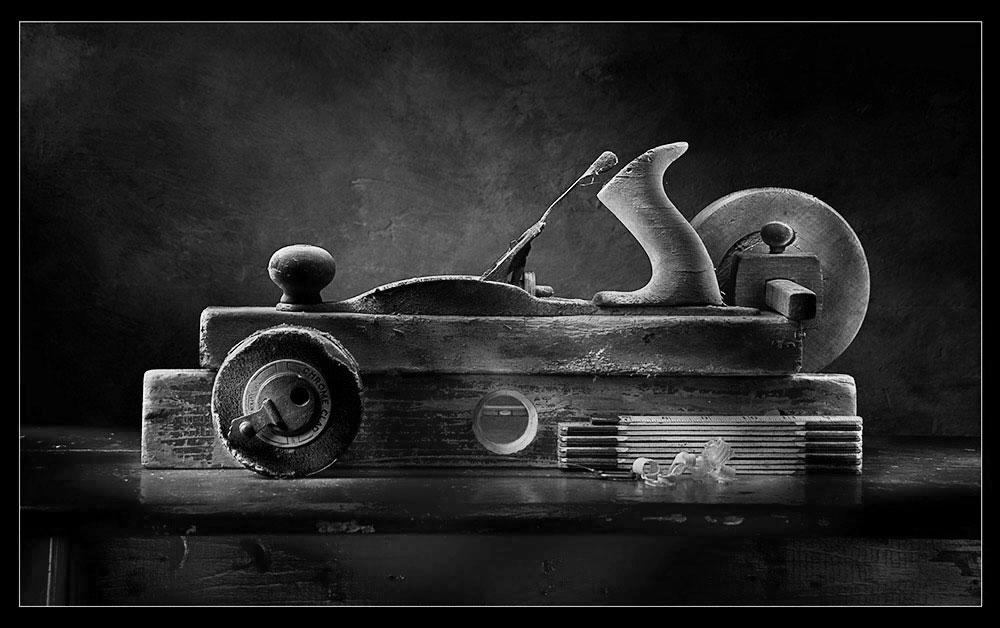
- Tools
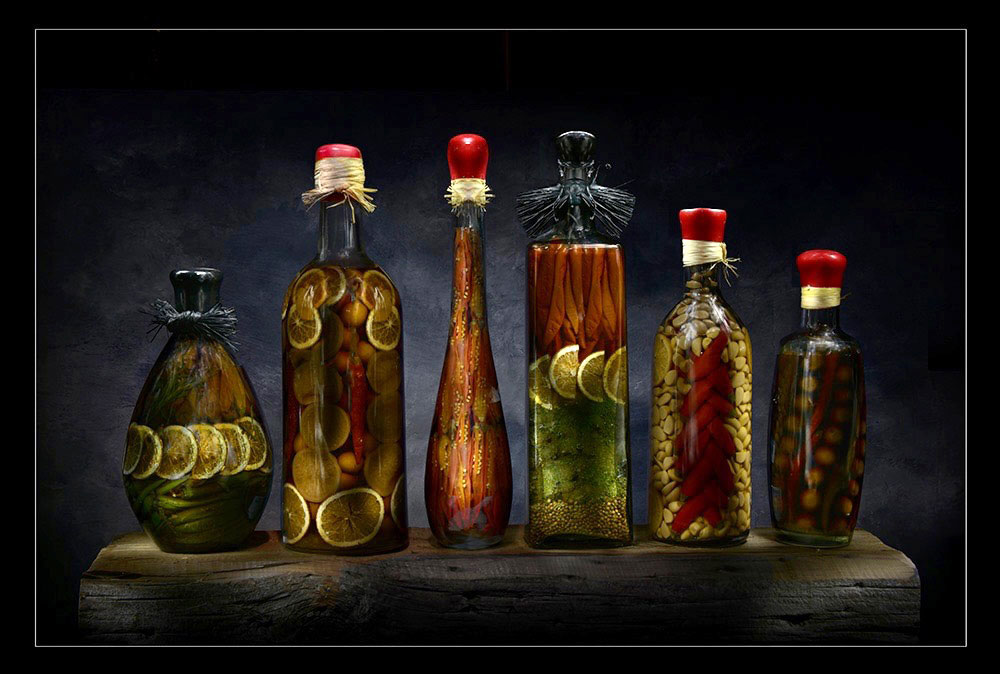
- Collection of Bottles (colors and shapes)
Having a direction makes styling much easier and helps create a more cohesive final image.
Gather Your Props
Choose one main subject—the hero of your photograph—and support it with three to six complementary objects. Mix different shapes, sizes, and textures to add visual interest, but resist the temptation to include too much. A clean, uncluttered arrangement often creates the strongest images.
Build Your Background
Simple backgrounds usually work best. Painted wood, seamless paper, fabric, or a textured wall can all provide an attractive setting without distracting from your subject.
Your surface is just as important. Wood, marble, or matte boards add character while keeping the attention on your composition.
Light with Purpose
Lighting is what gives a still life photograph depth and mood. Natural window light is an excellent place to begin, especially when softened with a sheer curtain. If you’re using artificial lighting, one soft light positioned to the side or slightly behind your subject will create beautiful dimension.
A white reflector can gently fill in shadows, while a black card can increase contrast for a more dramatic look.
Compose Thoughtfully
Place your main subject first, then build the scene around it. Try arranging your objects in triangular groupings and vary their heights to create depth and movement. As you work, step back often and view the entire scene. Small adjustments in spacing or angle can make a significant difference.
Dial In Your Camera
For sharp, detailed images, start with an aperture between f/5.6 and f/11, keep your ISO as low as possible (100–400), and use a tripod if slower shutter speeds are needed. Since nothing is moving, you have the luxury of taking your time to perfect the exposure.
Finish with the Details
Before pressing the shutter, inspect every corner of the frame. Remove distractions, straighten objects, and clean away dust or fingerprints. Sometimes the smallest refinements are what separate a good still life from a great one.
Still life photography rewards patience and careful observation. With a simple concept, thoughtful lighting, and attention to detail, you’ll create images that not only showcase your subjects but also tell a story through composition and design.
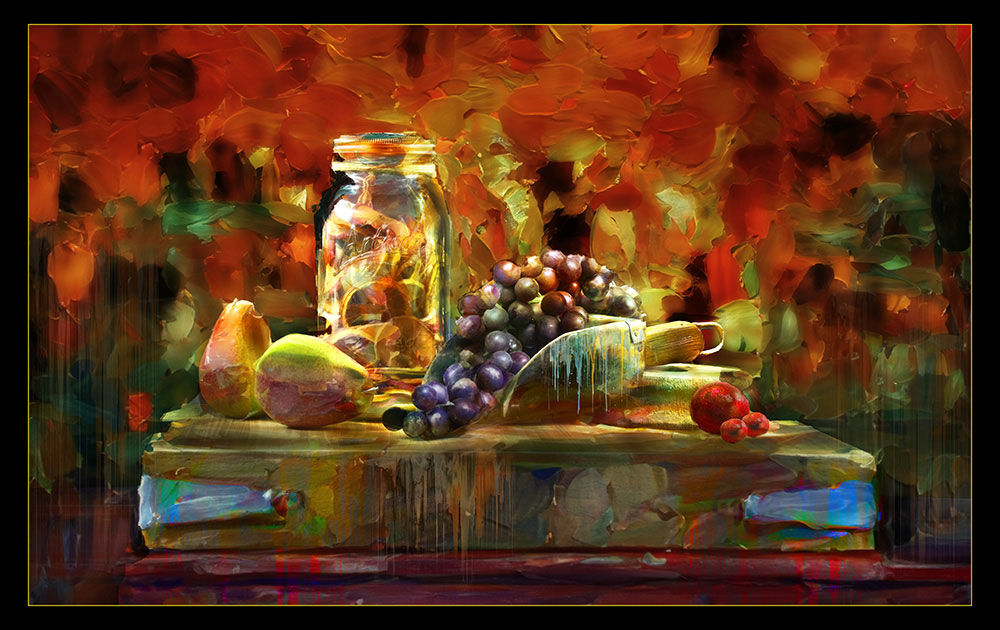
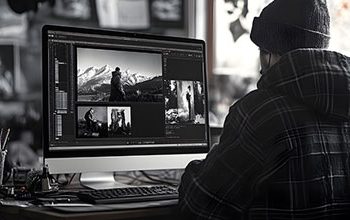
You can also change the mood of your still life image in post production. Maybe you want something with a painted and colorful look?
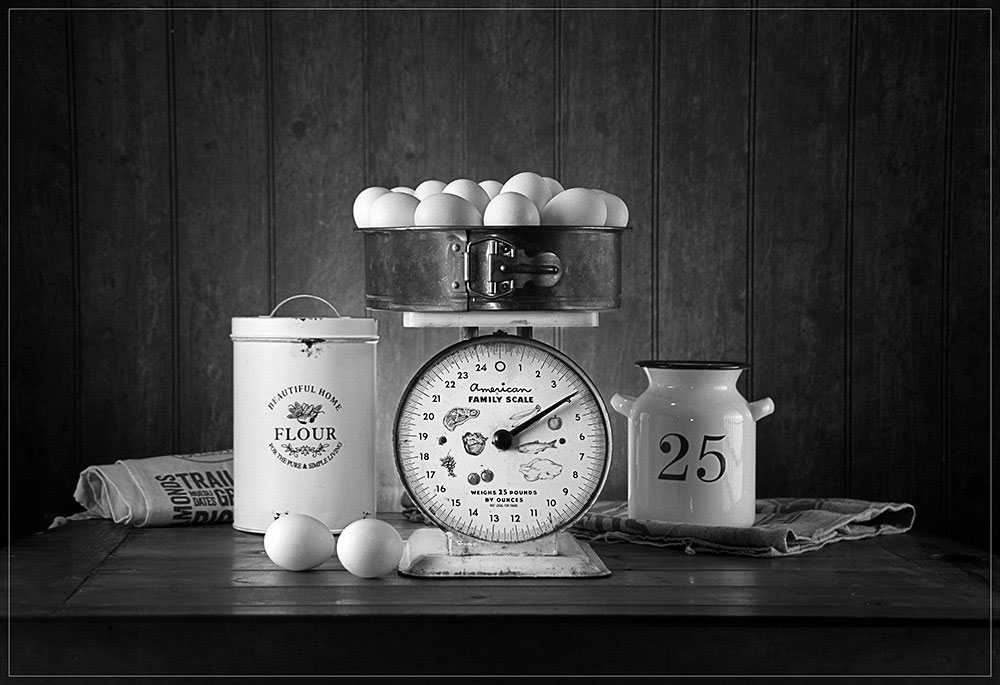
Or maybe something simple in black and white?
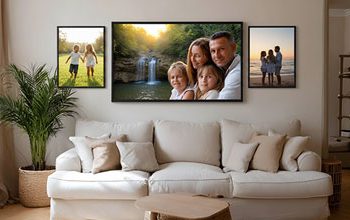
Once you’ve created a still life image you’re proud of, don’t let it stay on your hard drive. Fine art prints are one of the best ways to appreciate the detail and craftsmanship that goes into still life photography. Seeing your work in print often reveals nuances you simply can’t experience on a screen.






















































No Comments
Leave a comment Cancel