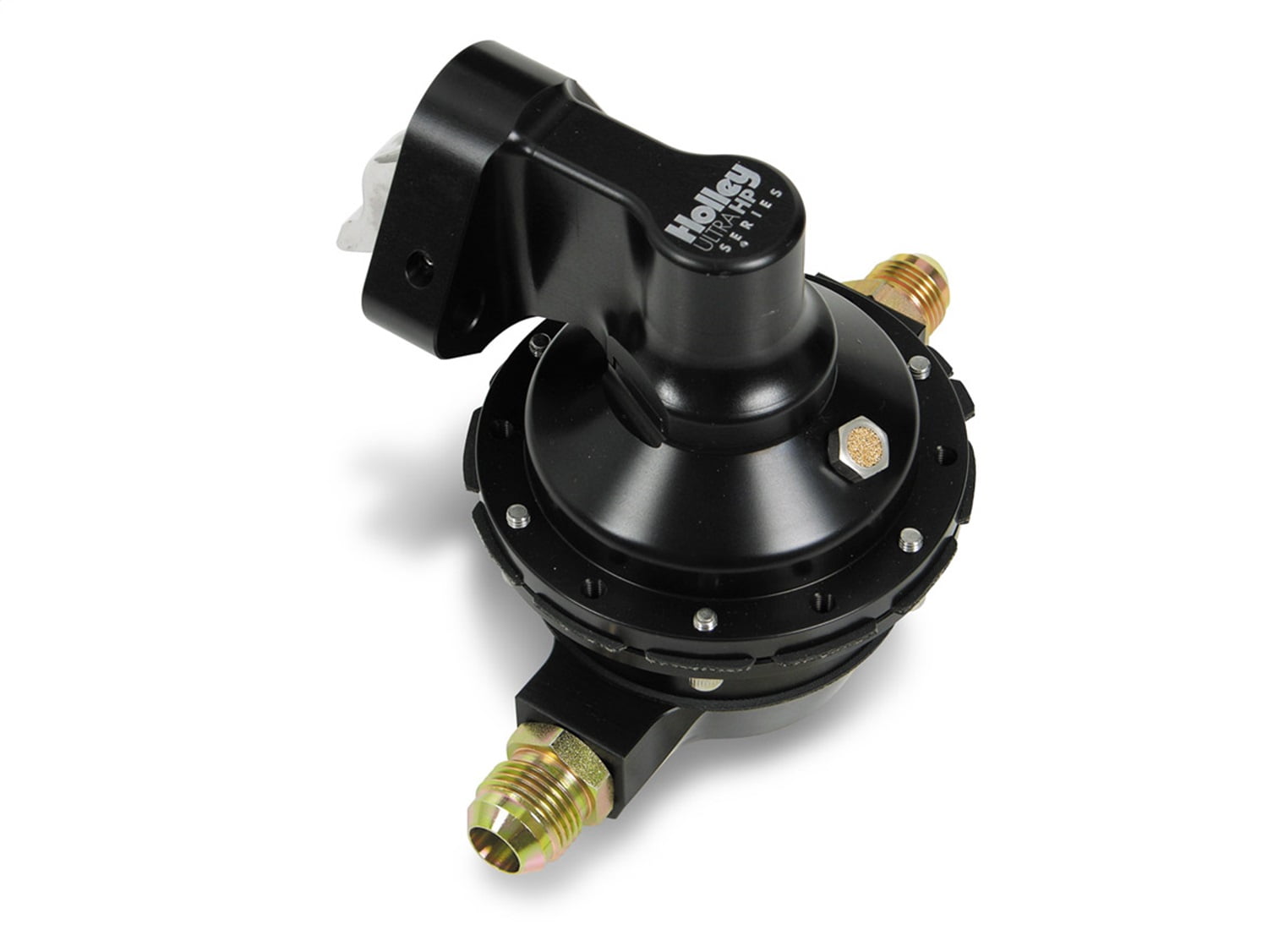
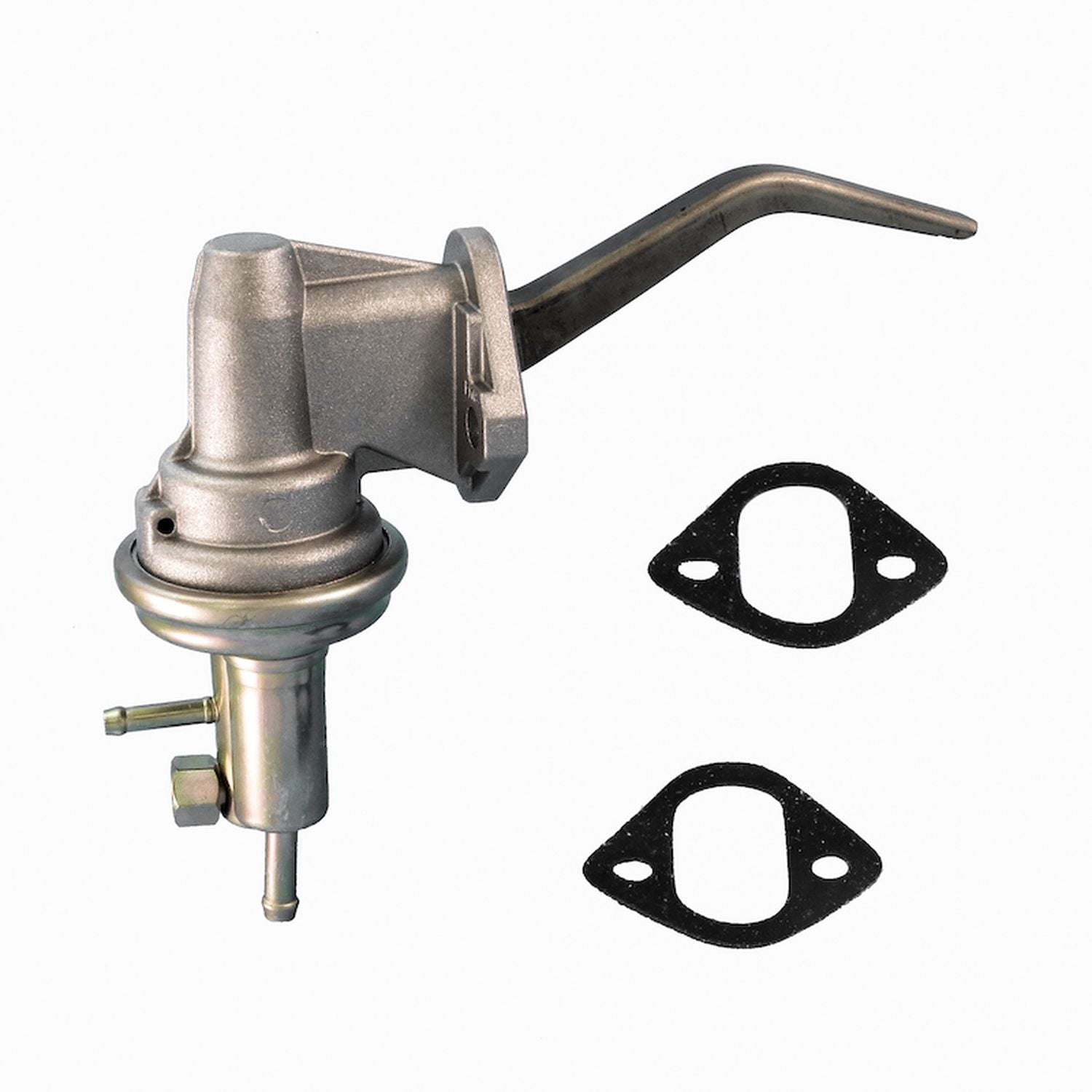
Still life photography is one of those genres that seems simple at first — a few objects, a backdrop, and good lighting. But anyone who’s ever tried it knows there’s far more beneath the surface. Still life photography isn’t just about photographing things; it’s about creating a moment where those things tell a story.
Whether it’s a bowl of fruit, an old camera, or a single flower in soft morning light, the power of still life lies in how you see it — and how you shape that vision for others to see.
What Makes Still Life Photography So Special
Unlike street or landscape photography, still life gives you complete control. Every element — the subject, composition, lighting, and even the emotion — is in your hands.
That creative freedom makes it both exciting and challenging. You become not just the photographer, but the designer, director, and storyteller.
Still life photography slows you down. It teaches patience and observation. It invites you to study the way light wraps around a surface, how textures interact, and how shadows add depth and character.

The Keys to Great Still Life Images
- Start with a Story
Even in simplicity, there’s meaning. Ask yourself: What do I want this image to say? Maybe it’s nostalgia, calmness, decay, or elegance. Your story guides everything — the color palette, lighting, and object choice.
- Composition Is Everything
A good still life feels balanced and intentional. Use compositional techniques like the rule of thirds, leading lines, or negative space to guide the viewer’s eye. Don’t be afraid of asymmetry — sometimes tension makes an image more interesting.
- Master the Light
Light is your paintbrush. Natural light from a window can create soft, emotional images, while a single studio light can bring drama and precision. Big softboxes provide soft lighting, and parabolics a harder edge, bold look. Or maybe you are after a light painting technique? Try experimenting with side light for texture, or backlight to emphasize shape and translucence. Lighting styles change the look of your setup.
- Pay Attention to Texture and Detail
Still life images often live or die by their details. Fabrics, wood grains, reflections, and imperfections all add richness. Use a smaller aperture (f/8–f/16) to keep depth, or open up (f/2.8–f/4) for a more dreamy, selective focus look.
- Color and Mood
Think about the emotional impact of color. Muted tones feel nostalgic or timeless. Bright, contrasting hues feel modern and energetic. You can create cohesion by working with a consistent color palette or experimenting with monochrome setups.

Tools That Help
You don’t need an elaborate studio setup to start with still life photography. A few key tools can make a big difference:
- Tripod – Keeps your composition steady for precise adjustments.
- Reflectors or white foam boards – Bounce or diffuse light naturally.
- Backdrops – Simple papers, wood panels, or fabrics set the tone.
- ND or polarizing filters – Control reflections or brightness when needed.
- Editing software – Helps fine-tune tones and textures to match your vision.
Practice Is the Real Secret
The beauty of still life photography is that you can practice anywhere — at home, in your studio, or even on your kitchen table. Start small. Photograph what’s around you: a mug, a flower, a pair of glasses, or a few everyday objects.
Every setup is an opportunity to experiment with new lighting, compositions, and moods. Over time, you’ll start to see the extraordinary in the ordinary — and that’s when your still life work truly begins to shine.
You can also choose to take your image a totally different direction in post-production. Let’s take this image. This is how it was originally photographed. But what if we wanted to get spicy with it?

We could do something like this. This same image was used in post-production using Photoshop and a one of Carly Sullens Grunge backgrounds and a few of her Drips products blended in with it. Same image – 2 different interpretations.

Hint: Bring a small flashlight or 2 with you. You can create your own dynamic lighting!

And remember — a still life doesn’t have to feature fruit or vegetables, and it certainly doesn’t need to be complicated. Nothing kills motivation and creativity faster than overcomplication.
If you’re new to still life photography, or if you’ve struggled with it in the past, chances are your setup was just too busy. Simplify. Every great still life has a clear focus — a “hero” piece that captures attention while the surrounding objects quietly support it.
Sometimes that hero is something unexpected — a few worn tools you discovered in an antique shop, a weathered book, or a forgotten trinket that caught your eye. In fact, you might find that the still life has already arranged itself right there in the store. All you have to do is notice it and photograph it.
Don’t overthink your setup. Try placing your subject directly on the floor and shooting from above. Old wooden or tiled floors often make for beautiful, textured backgrounds. Or use a vintage box — place your subject inside or on top and let the character of the box add to the story.

And if you don’t have your pro camera with you? No problem. Use your phone. It’s not exactly practical to wander an antique shop carrying a bulky camera, and modern phone cameras are surprisingly capable for capturing inspiration on the go.
If you find something truly special and want to return with your main gear, just do it — but be considerate. Ask for permission if your setup gets more involved, and show the shop owners a few of your images afterward or on your next visit. Most people love seeing how their space inspires creativity.
Still life photography isn’t just about creating pretty pictures. It’s about observation, intention, and storytelling through simplicity. When done well, a still life image stops time. It invites the viewer to look longer, feel more deeply, and appreciate the beauty in things we often overlook.
Setting it up is almost like putting together a puzzle. Trying to get it to look natural, balanced, and uncomplicated, can be the most difficult part! Look through images that inspire you for ideas. Maybe even try to copy that image as a learning exercise. Put on some music and take your time placing objects in and out of the set up. Take test shots to understand the strengths and weaknesses in your set up.
So the next time you find yourself inspired by the morning light on your coffee cup — grab your camera. The world of still life is waiting for you to give it a little attention and a lot of heart.


No Comments
Leave a comment Cancel