
I just received the shot list for a session happening next week, and something stood out that was half amusing and half absolutely annoying. A significant number of items on the shot list had notes from the client specifying that they wanted natural light under certain sections.
It was things like “close-up natural light portraits by the bar top” and “natural light portraits by the altar.” I’m not going to pretend this is the client’s fault, because it’s our job as professionals to understand light and how to use it. It’s absolutely not their job to have any idea what they are talking about.
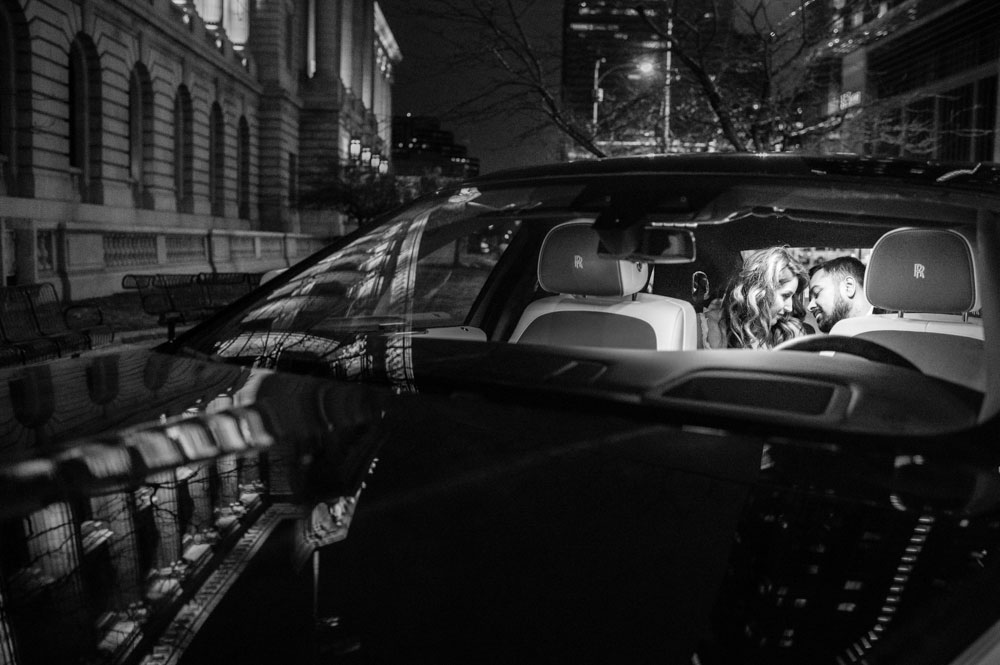
And let’s be real, they don’t have any idea what they are talking about. But it’s always interesting to me when people come to me saying things like, oh yeah, absolutely love how you use natural light to get such vivid colors,” when the reality is that 60 percent of the images in our portfolio involve some form of supplemental lighting—or are entirely lit with very little natural light involved at all.
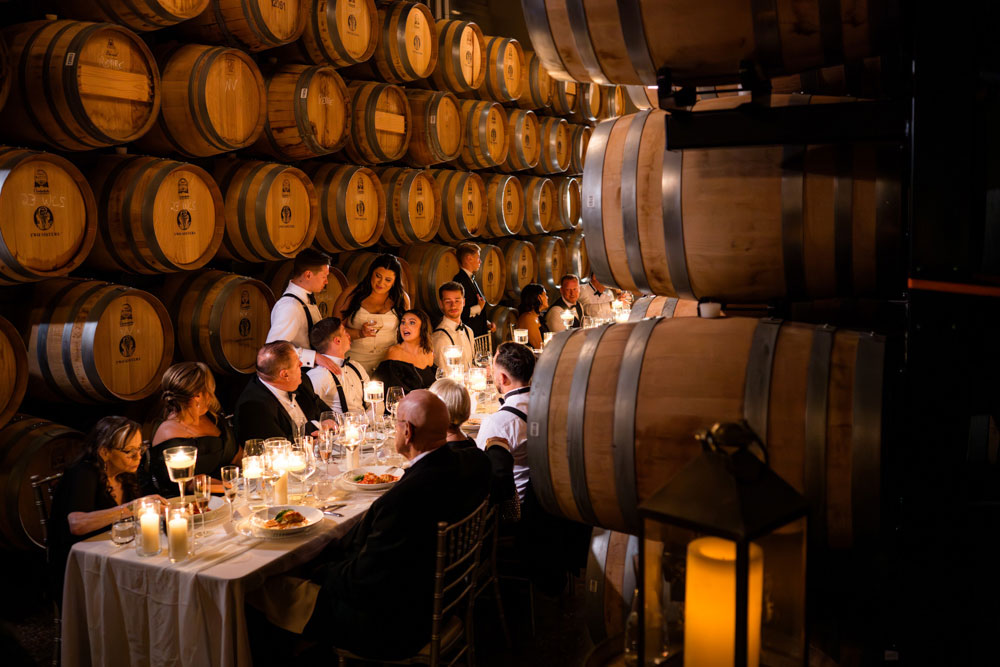
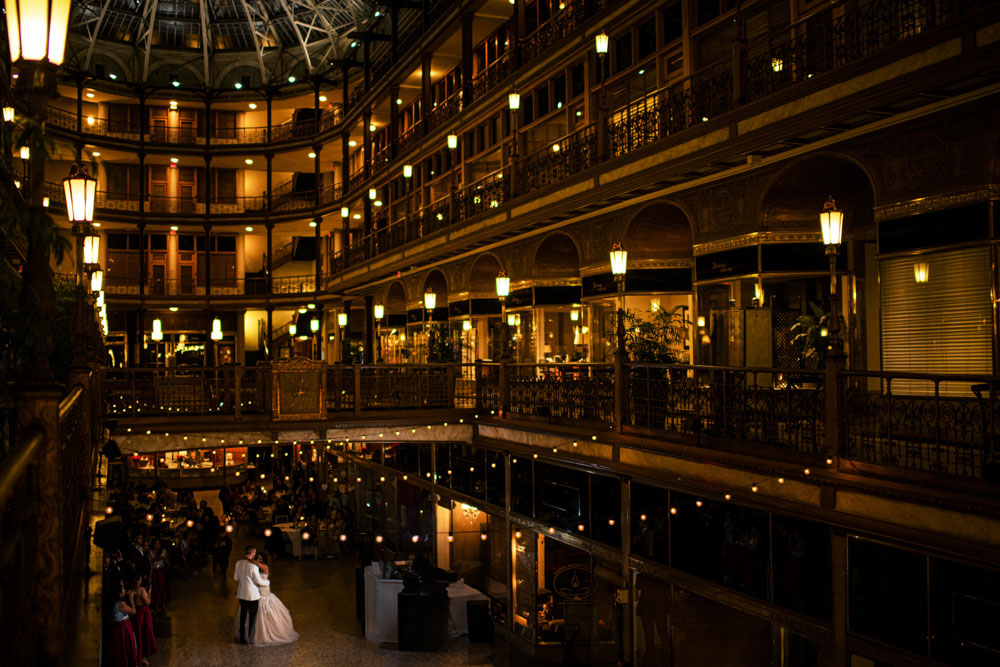
I have what might be a slightly controversial take: images that are lit don’t have to look artificially lit. And how you light them doesn’t have to become the focus of your portraits.
In wedding and portrait photography, it often feels like there are two camps. There’s the “all I can think about is lighting and gear, and I’d love to tell you all about it” camp. And then there’s the camp that’s a little intimidated by that group, so they cling tightly to the phrase “I love natural light” with all their might.
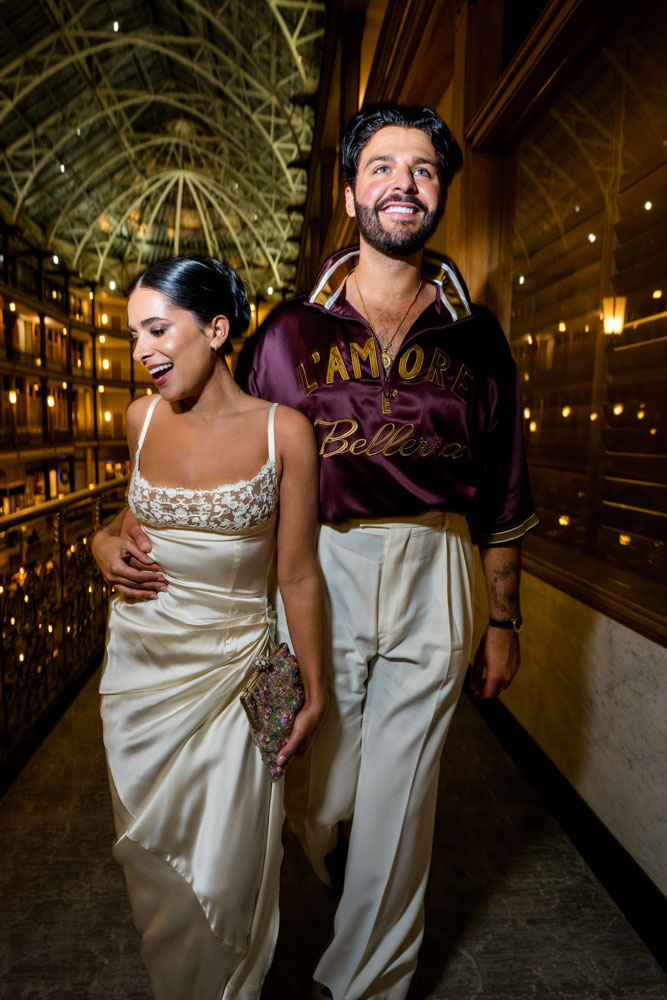
Obviously, who doesn’t love golden hour? But as wedding photographers, very little is actually under our control on a wedding day. One of the differences you’ll see in our portfolio is that while we use supplemental light often, we try not to make that obvious.
Years ago, when I was trying to improve my photography, I reached a point where I could walk into a scene and see something with my own eyes that I couldn’t recreate with a camera. That realization sent me into a bit of a panic. How do I get the incredible images in my head to actually show up in a photograph? That frustration pushed me to understand light in a completely different way. And that shift helped me grow leaps and bounds from where I was at the time.
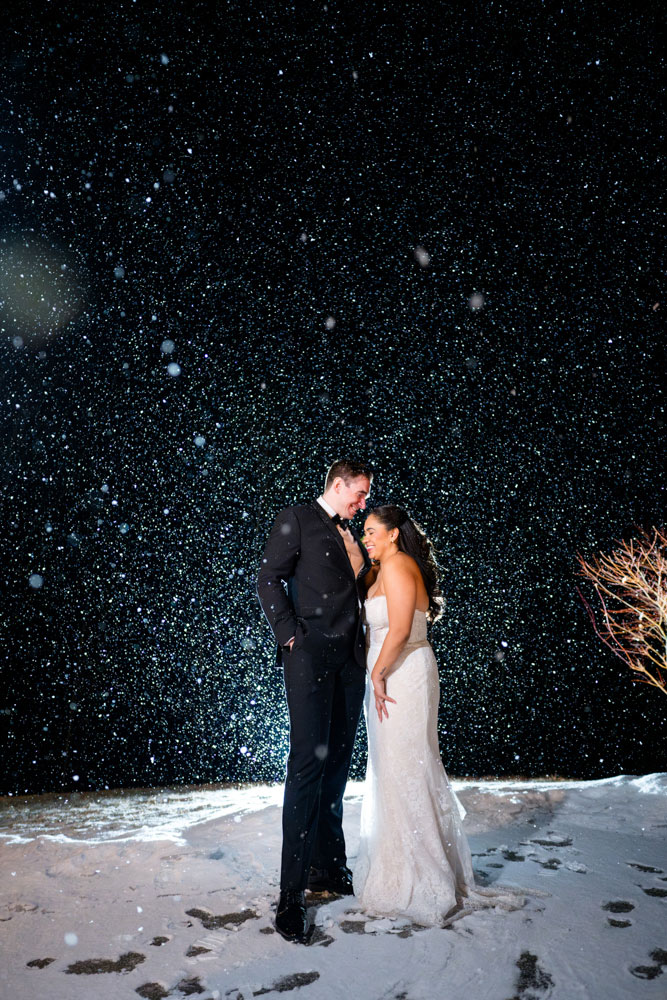
I’m old-school. I learned photography on film, with a notebook and pen in hand, scribbling down my settings so I could remember why a photo was terrible when I finally saw it developed a month later. So in honor of that notebook—and out of sheer frustration—I went to my local library and checked out a stack of books. I spent an entire summer reading everything I could about lighting and how to use it, particularly in wedding photography.
I was so confused at times I thought I might cry. But I read those books forward and backward until things started to make just a little more sense. One of the books that stuck with me was by Roberto Valenzuela. In it, he wrote a line that has stayed with me ever since is “Light is light.” Sunlight can be terrible or wonderful depending on how it’s used. The same is true for every other type of light. It doesn’t matter where it comes from—what matters is how you use it.
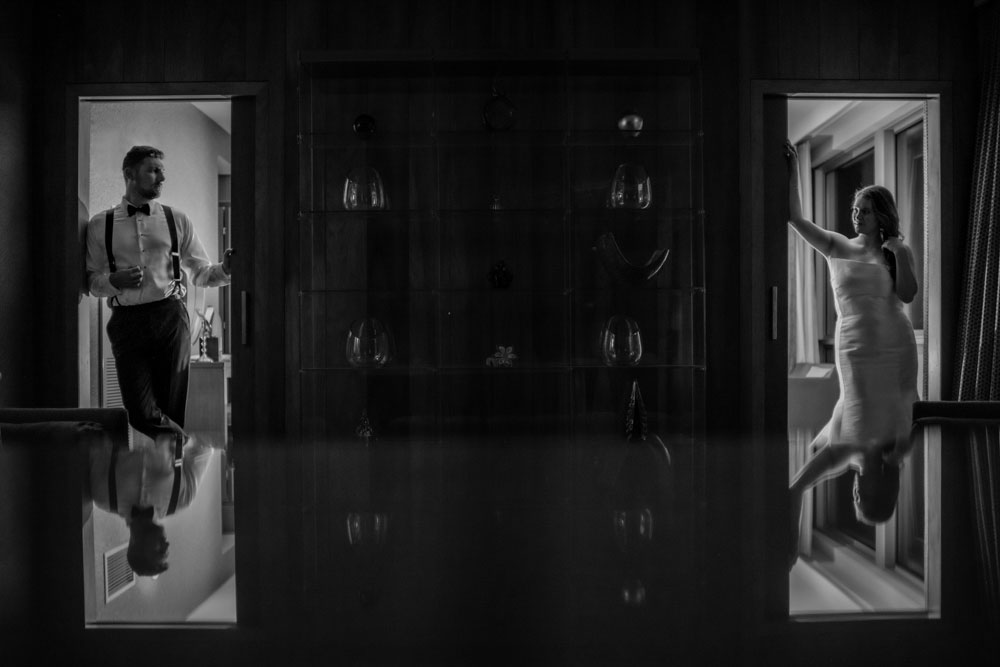
My team is probably so sick and tired of hearing me repeat that phrase, because it comes up a lot. Wedding photography requires you to be scrappy, and you often have to make decisions quickly. But in the photography world we can get a little snooty about what we’re using. The reality is that you can light with a cellphone. You can light with a speedlight. You can light with a strobe. You can light with the sun. The point is understanding what the light is doing, what you want it to do, and how it affects your subject.
An umbrella costs under ten dollars. If you understand what it does, you can use it to its full potential. That knowledge will take you far further than buying the most expensive equipment possible and having no idea how to use it. It will also be far more effective than simply hoping you never end up in a situation where the available light isn’t enough.
I think we need to be careful in the photography industry, because I notice how often—both online and in person—the first question people ask is: “What kind of gear are you using?”
Gear obviously matters at certain levels, but we sometimes forget that photography ultimately comes down to light and shadow. After all, you can technically make a photograph with nothing more than a cardboard box with a hole in it.
Sound familiar?
“I just want natural light portraits.” – Client getting ready in a church basement.
“Oh, I only use [insert expensive brand here].” – Random uncle watching you work.
“Oh… you’re just using an umbrella.” – Another photographer announcing their opinion.
Meanwhile, when I’m photographing someone, I’m thinking about how the light is hitting their face, how it will be most flattering, and how I can shape or complement it. And in the back of my mind, I’m still thinking the same thing – light is light.
Because while I absolutely want to create an amazing portrait, I can’t do that if I’m so focused on gear that I forget about the people standing in front of me. Or worse, if I distract them from enjoying the moment, the celebration, or the people they’re with.
When you’re photographing humans, that has to be the priority. At least for us.
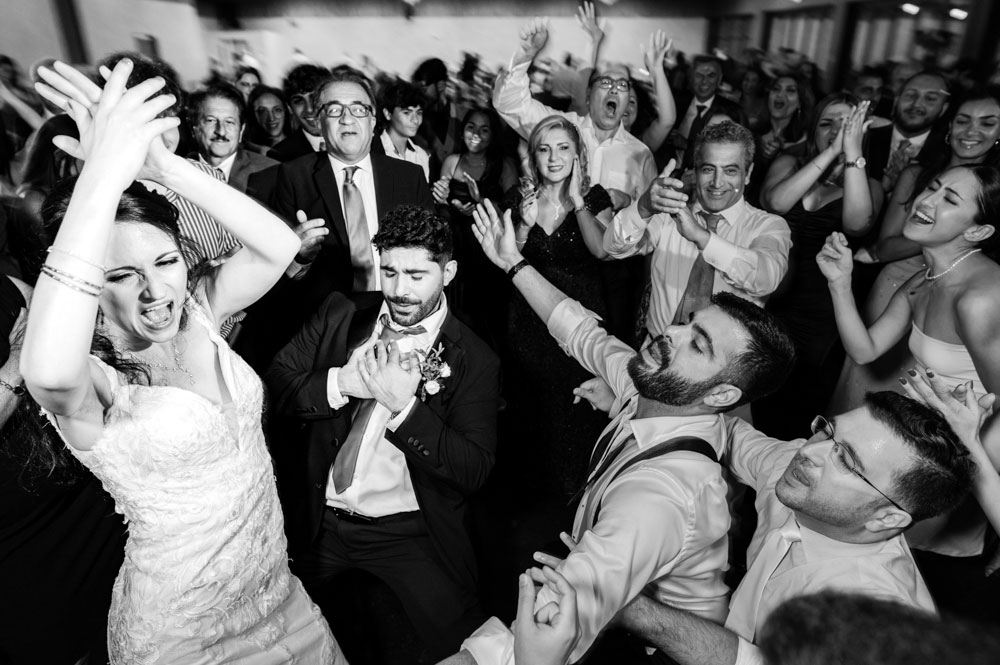
And when Uncle Bob—or the photographer down the road—walks up to show you his far superior camera and thousand-dollar speedlights, just smile and think to yourself, “I’m pretty sure, light is light.”




















No Comments
Leave a comment Cancel